Marine biology is a fascinating interdisciplinary subject that attracts thousands of students across the globe. Not surprisingly, it has become one of the most sought-after topics in summer schools. This article explores what a summer school program in marine biology may encompass and why students may find it intriguing.
Diving into the World of Marine Biology
Marine biology is the comprehensive study of the organisms that inhabit the planet’s oceans. Marine biologists delve into understanding various species, their behaviors, interactions, and their heritage. In essence, they aim to decipher the mysteries of aquatic life.
Making Waves in the Classroom
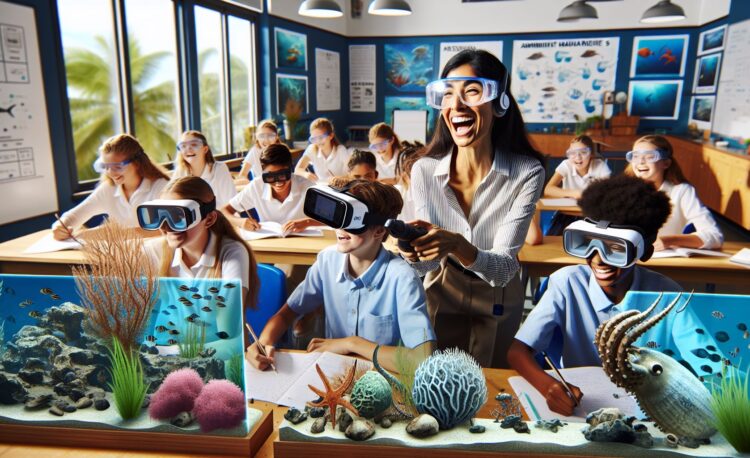
Summer school programs on marine biology combine traditional classroom teaching with exciting practical experiences. Young students get an introduction to marine ecology, marine conservation, and oceanography. They learn about the stunning variety of marine life, from tiny plankton to the incredibly enormous blue whales. Additionally, marine biologists’ role in preserving marine ecosystems and their colossal contribution to the planet’s health is emphasized.
Exploring Underwater Marvels
These courses usually incorporate hands-on learning experiences. They may include activities like tide pooling, boat trips, aquarium visits, and sometimes even scuba diving. Through these activities, students explore marine life up close and personal. They get to observe various marine habitats, coral reefs, and the enchanting myriad of creatures that reside in them.
Skills Acquisition and Career Prospects
The beauty of these summer programs is that they not only provide a unique learning experience but also equip students with valuable skills. They learn field research techniques, laboratory methods, data analysis and reporting. These skills can be instrumental for those considering a career in marine biology or related fields.
Summary
In a nutshell, a summer school program in marine biology can be an enthralling journey into the depths of the world’s oceans. It offers a valuable learning experience that goes beyond the confines of an ordinary classroom. It infuses practical, hands-on experiences, thereby giving students a taste of real-world scientific research and conservation efforts. Given the current environmental challenges, such as climate change and marine pollution, marine biologists play a critical role. Thus, sparking an interest in marine biology from an early age can contribute significantly to our planet’s future.